Nobody RSVP'd and Everybody Showed Up Anyway: The Lost Art of the 1979 Spontaneous Gathering
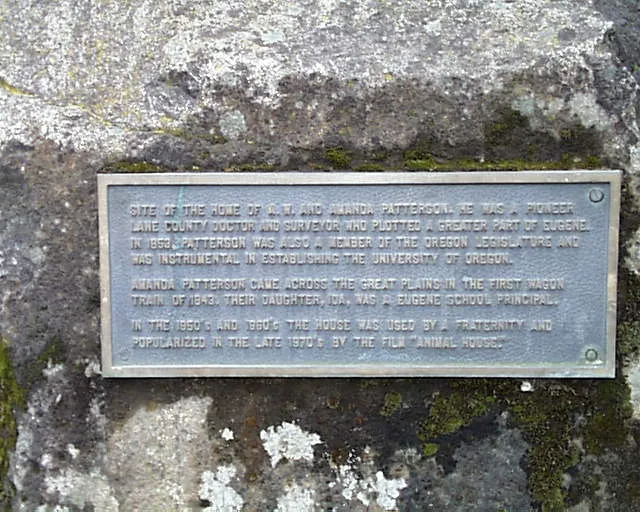
Photo: Katr67, Public domain, via Wikimedia Commons
Somebody's parents were out of town. Word spread at school, at the diner, maybe through a cousin who told a neighbor who told a guy at the gas station. By 8 p.m. on a Friday, the living room was packed, the record player was going, and nobody had confirmed their attendance through any app, platform, or digital channel. They just came. And it was somehow the best night of the year.
That's 1979 for you.
We talk a lot about what that era sounded like — the Chic records, the Fleetwood Mac deep cuts, the first Walkman earbuds bleeding tinny sound into the subway air. But we don't talk enough about what 1979 felt like as a social experience. Specifically, the way people gathered. The way they arrived without warning, stayed longer than planned, and left without updating anyone's status.
It was, in retrospect, a kind of communal freedom we've completely dismantled. And 1979 was probably the last year it worked at full power.
The Clock Was Decorative
Here's something that's almost impossible to explain to anyone under 35: in 1979, "7 o'clock" at a party meant somewhere between 7 and 9. Nobody sent a "running 20 minutes late" text because there was no text to send. You either showed up or you didn't, and if you didn't, you heard about it Monday. Nobody's feelings were managed in real time. Nobody performed their apology before they even walked through the door.
And somehow — somehow — it all worked out.
The host didn't stand at the window refreshing a guest list. The guests didn't feel guilty for being fashionably late. The party calibrated itself organically, like a living thing, swelling and shifting and eventually landing on exactly the right energy. There was no optimization. There was no timeline. There was just a room full of people who decided, collectively and without coordination, that this was where they wanted to be.
Modern social science has a term for what we've built in its place: "coordination overhead." The mental and emotional labor of syncing schedules, confirming plans, and managing expectations before a single chip has been eaten. In 1979, that overhead was essentially zero. You threw a party. People came. End of logistics.
The Dinner Party as Improvised Theater
For adults in 1979, the dinner party was the proving ground. And unlike today's carefully curated supper clubs with their dietary questionnaires and Spotify playlist consultations, the 1979 dinner party was pure improv.
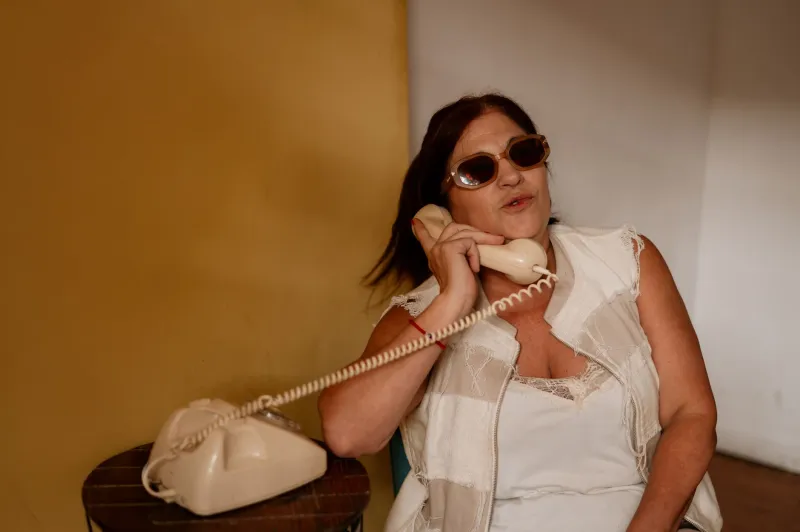
Someone would call that afternoon — on the landline, obviously — and say "come over tonight, we're making something." What were they making? Unclear. Would there be enough food? Probably. Was there a theme? Absolutely not. Would the conversation go somewhere unexpected and slightly too honest after the second round of drinks? Without question.
That looseness wasn't accidental. It was structural. When you can't over-plan, you can't over-control. When you can't send a follow-up email confirming the vibe, you have to trust the vibe. And 1979 Americans, for all their anxieties about gas lines and Cold War tensions, were remarkably good at trusting the vibe.
The dinner table in 1979 was one of the last places in American life where time genuinely suspended. No one excused themselves to check messages. No one photographed the food before eating it. The conversation was the entertainment, the food was the conversation, and the whole thing looped back on itself in that beautiful, inefficient way that actual human connection requires.
FOMO Didn't Exist Because You Couldn't See What You Were Missing
This is the part that really stings when you sit with it.
FOMO — Fear Of Missing Out — is a documented psychological phenomenon tied directly to social media. When you can see, in real time, exactly where your friends are and what they're doing and how much fun they appear to be having, the absence becomes acute. The comparison is constant. The anxiety is baked in.
In 1979, you couldn't see any of that. If you stayed home on a Friday night, you simply... stayed home. You watched Dallas or The Muppet Show or whatever was on. You didn't lie in bed scrolling through photographic evidence of the party you skipped. You didn't know what you missed until someone told you about it, usually in the form of a story that got better with each retelling.
And here's the twist: the not-knowing was actually protective. It let you be fully present wherever you were, because there was no competing image of where you could have been. The party you attended was the only party that existed. The one you missed was just a rumor.
That's not nostalgia talking. That's neuroscience. Presence is harder when absence is visible.
What We Traded and Why It Cost So Much
Nobody made a conscious decision to dismantle the spontaneous gathering. It happened incrementally, the way most cultural losses do — one convenience at a time. The pager made us reachable. The cell phone made us locatable. The smartphone made us accountable. And somewhere in that progression, the unplanned evening became the exception rather than the rule.
Now we schedule brunch six weeks out. We send calendar invites for birthday dinners. We create event pages and track RSVPs and send reminders and follow up with "so excited to see everyone!" messages that are really just anxiety dressed up as enthusiasm.
The party still happens. But the spontaneity is gone. And with it, a certain kind of social courage — the willingness to just appear somewhere and trust that your presence was enough.
1979 was the last year that courage was common. The last year a knock on the door at 8 p.m. was a welcome surprise rather than a minor crisis. The last year the party didn't need a hashtag to prove it happened.
Somebody ought to throw one of those again. No invite. No RSVP. Just show up. Bring something. See what happens.
That's the whole plan. That was always the whole plan.