When the Dancefloor Cracked: The Wild Cultural War of 1979 That Nobody Saw Coming
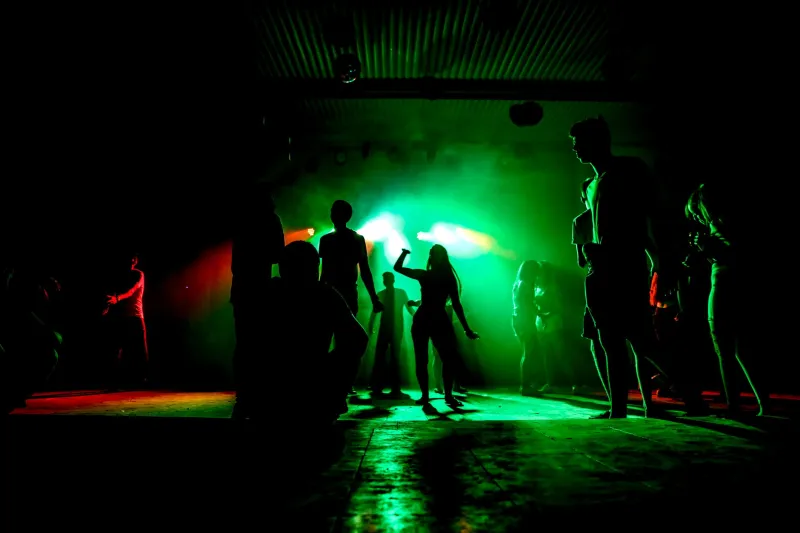
There's a reason we keep coming back to 1979. Not just because the clothes were spectacular (they were) or because the hair defied physics (it absolutely did), but because something genuinely seismic happened to American pop culture that year — something that cracked the entertainment landscape right down the middle and sent two very different futures shooting off in opposite directions.
If you were alive and paying attention in 1979, you felt it. If you weren't, well, buckle up — because understanding that year explains a whole lot about everything that came after it.
The Disco Empire at Its Wobbliest
Let's be honest: disco didn't die quietly. By early 1979, it was still everywhere — on the radio, in the clubs, splashed across magazine covers. The Bee Gees were inescapable. Gloria Gaynor's I Will Survive was ringing out of every car window from Miami to Minneapolis. Donna Summer was releasing double albums like she had something to prove, and honestly, she did.
But underneath all that glitter and four-on-the-floor thunder, the cracks were showing. Disco had become so commercially dominant that it had started eating itself. Every label in town was slapping a string section and a drum machine onto anything that moved, hoping to cash in. The result was a bloated, oversaturated market that was starting to wear out even its most devoted fans.
The infamous Disco Demolition Night at Comiskey Park in Chicago — July 12, 1979 — is usually held up as the moment disco officially died. A radio DJ named Steve Dahl organized the destruction of thousands of disco records between a White Sox doubleheader, and the crowd went so completely off the rails that the second game had to be forfeited. It was chaotic, it was ugly, and it was undeniably symbolic. But the truth is messier than one bonfire in a baseball stadium.
Punk's American Arrival (Finally)
While disco was busy imploding, something rawer and angrier had been clawing its way across the Atlantic for a couple of years and was finally finding its footing on American soil. The Sex Pistols had come and gone in a blaze of disaster in early 1978, but the seeds they scattered were sprouting hard by '79.
The Clash released London Calling in December 1979 — an album so enormous in scope and ambition that calling it a "punk record" almost misses the point. It borrowed from reggae, rockabilly, jazz, and soul, and it announced in no uncertain terms that the kids who'd rejected disco weren't just angry — they were hungry. Hungry for something real, something that didn't feel manufactured in a boardroom.
Stateside, bands like Talking Heads and Blondie were threading the needle between punk's energy and something more accessible. Blondie's Heart of Glass — a song that cheekily borrowed disco's pulse and wrapped it in new wave cool — hit number one in 1979 and somehow made both camps feel like they'd won. That's a neat trick, and it only works in a year as genuinely strange as that one.
New Wave Sneaks Through the Side Door
If disco was the establishment and punk was the revolution, new wave was the clever opportunist who showed up after the fight and rearranged the furniture. By 1979, artists like Elvis Costello, The Cars, and Devo were building something that felt futuristic without completely abandoning melody and hooks.
The Cars' self-titled debut had dropped in '78, but it was burning up radio throughout '79 — a perfect example of how new wave managed to sound simultaneously weird and completely radio-friendly. Devo's Q: Are We Not Men? A: We Are Devo! was challenging listeners to rethink what a rock band could even look like. These weren't musicians who wanted to destroy the mainstream; they wanted to rewire it from the inside.
This is what makes 1979 so fascinating from a cultural standpoint. It wasn't a simple passing of the torch. It was more like three torches burning simultaneously, occasionally setting each other on fire.
The Albums That Defined the Fault Lines
You can actually map the cultural split of 1979 just by looking at the records released that year. On one side of the divide: Michael Jackson's Off the Wall, which took disco's rhythmic sophistication and fused it with R&B and pop in ways that felt genuinely thrilling and new. Chic's Risqué was doing something similar — Nile Rodgers and Bernard Edwards were making funk and disco that was too musically sophisticated to dismiss, even as the backlash raged.
On the other side: The Knack's Get the Knack arrived with a raw, guitar-forward energy that felt like a deliberate rebuke of everything soft and synthesized. My Sharona was inescapable in a completely different way than disco had been — it was abrasive and exciting and kind of uncomfortable, which was entirely the point.
And then there was Neil Young dropping Rust Never Sleeps, which basically told the whole pop culture conversation to go argue somewhere else while the real work got done. That album's live side remains one of the most visceral concert recordings ever made.
Why It Still Matters
Here's the thing about 1979 that keeps drawing us back to it: the arguments that year started are still going. The tension between polished, produced pop and raw, guitar-driven rock never really resolved — it just keeps cycling through new genres and new faces. Every decade since has had its own version of that Comiskey Park moment, its own Disco Demolition, its own war between the smooth and the rough.
1979 was the year American pop culture discovered it could hold genuinely contradictory impulses at the same time — that a country could love both Donna Summer and The Clash, could dance to Le Freak on Friday and slam into a mosh pit on Saturday. That breadth, that beautiful incoherence, is exactly what made it the most fascinating year in modern music history.
We're still living in the world 1979 built. And honestly? It's a pretty interesting place to be.