VHS, Velvet Ropes, and a Revolution Nobody Admitted to Watching: How 1979 Rewrote the Rules of Adult Entertainment
There's a reason history textbooks skip this chapter. It's messy, it's complicated, and it makes a lot of people uncomfortable to talk about openly. But if you're serious about understanding 1979 as the cultural turning point it genuinely was, you can't pretend this particular story didn't happen. Because the adult entertainment industry's transformation that year didn't just change what people watched behind closed doors—it reshaped copyright law, retail economics, and the very idea of what "home theater" could mean.
So let's talk about it like adults. Pun intended.
The Velvet Rope Was Already Fraying
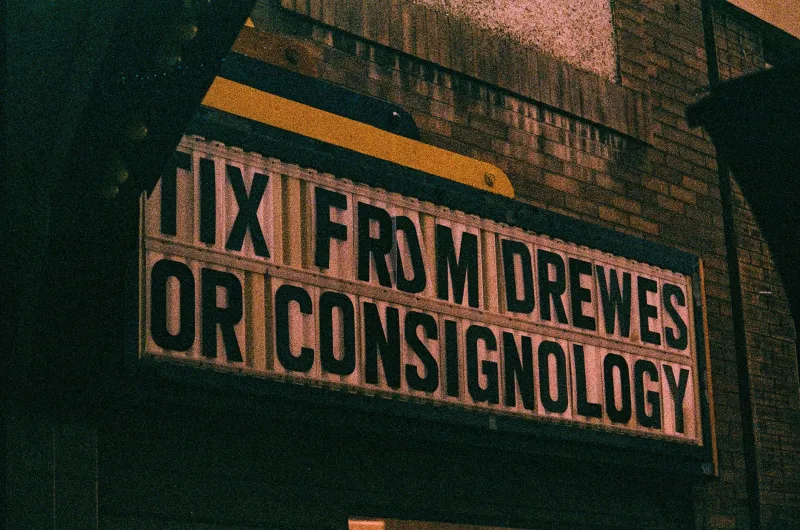
Before 1979, catching an adult film meant doing something that required a certain kind of nerve: walking up to a marquee that everybody in town could see, buying a ticket from a bored cashier behind scratched plexiglass, and sitting in a theater that smelled like it had seen better decades. The so-called "Golden Age" of adult cinema had already peaked with theatrical releases in the early-to-mid '70s, when films like Behind the Green Door and Deep Throat briefly crossed over into mainstream conversation—partly out of genuine curiosity, partly because the counterculture made transgression fashionable.
By 1979, though, the theatrical model was losing steam. Grindhouse venues were getting squeezed by rising urban real estate costs. Local obscenity ordinances were getting stricter in some markets while loosening in others, creating a legal patchwork that made consistent distribution a nightmare. The audience was still there—it had never really gone anywhere—but the delivery system was broken.
Enter the VCR.
The Machine That Changed Everything
You've probably already read our piece on the Sony Walkman and what portable audio meant for personal freedom in 1979. Home video hit differently, but the psychological shift was surprisingly similar: technology was handing control back to the individual. What you watched, when you watched it, and—crucially—where you watched it suddenly became decisions you got to make yourself.
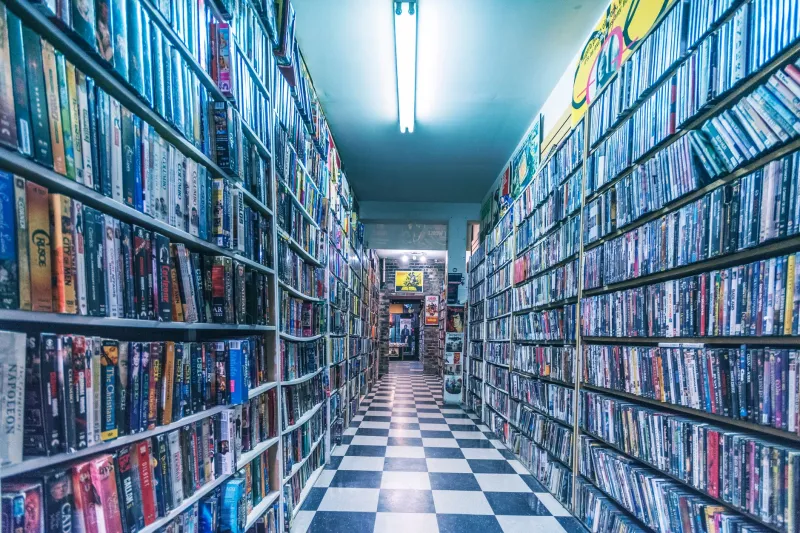
By 1979, VHS had effectively won the format war against Betamax in the consumer market, and rental infrastructure was starting to take shape across the country. Mom-and-pop video rental shops were opening in strip malls from Tulsa to Tacoma, and they quickly discovered something that the major studios were slow to recognize: adult titles moved. Fast. A single VHS cassette could be rented dozens of times a month, generating steady income that family-friendly fare sometimes couldn't match.
Adult production companies were among the earliest and most aggressive adopters of home video distribution. While Hollywood was still debating whether VHS represented an opportunity or a threat, smaller adult studios were already flooding the market with content priced specifically for the rental model. The economics made sense in a way that almost nothing else in entertainment did at the time.
The Legal Tightrope
None of this happened in a vacuum, legally speaking. The late 1970s were a genuinely turbulent time for First Amendment law around obscenity. The Supreme Court's 1973 Miller v. California decision had established the so-called "community standards" test for obscenity, which essentially meant that what was legal in San Francisco might get you arrested in rural Georgia. Distributors and producers operated in a state of constant legal uncertainty, and 1979 saw a fresh wave of local crackdowns in various markets alongside equally fierce pushback from civil liberties organizations.
The American Civil Liberties Union was already deeply involved in fighting what it characterized as unconstitutional censorship, and the adult industry—however awkward the alliance—benefited from those broader free speech arguments. Meanwhile, feminist perspectives on the industry were sharply divided. Writers and activists like Gloria Steinem were vocal critics, arguing the content was inherently exploitative. Others, including some within the emerging sex-positive feminist movement, pushed back against what they saw as paternalistic moralizing. It was a debate with no clean resolution in 1979, and honestly, versions of it are still running today.
Privacy as a Product
Here's the thing that doesn't get discussed enough when people talk about this era: home video didn't just make adult content more accessible. It made it private. And that privacy had enormous social consequences that went well beyond any single genre.
For the first time, millions of Americans could consume entertainment—any entertainment—without a public record of having done so. No ticket stub. No parking lot sighting. No neighbor spotting your car outside a certain theater. The transaction moved into the home, and with it came a new kind of personal autonomy that was genuinely unprecedented in the history of mass media.
This shift had ripple effects that spread far beyond the adult industry. It accelerated the collapse of theatrical exhibition for lower-budget films across the board. It forced studios to rethink their entire distribution model. And it planted the seed for a consumer expectation—on-demand, private, personalized entertainment—that would take another two decades to fully bloom into the streaming world we live in now.
The Talent Side of the Story
It's worth pausing here to acknowledge that behind every industry transformation, there are actual human beings navigating a world that's changing faster than anyone can track. The performers working in adult entertainment in 1979 existed in a legal and social gray zone that offered almost none of the workplace protections that other entertainment industry workers took for granted. Unions weren't an option. Contracts were often informal. The explosion of home video demand created pressure to produce more content faster, and not everyone working in that environment was doing so entirely by choice or under conditions anyone would describe as ideal.
That complexity is part of the historical record too, and glossing over it would be doing a disservice to a complete picture of what 1979 actually looked like.
What 1979 Left Behind
By the time the calendar turned to 1980, the adult entertainment industry had fundamentally repositioned itself. The theatrical model wasn't dead, but it was clearly the past. Home video was the future, and the companies that had moved fastest to embrace it were already pulling ahead. An industry that had operated for decades on the margins—legally, socially, commercially—had found a distribution mechanism that put it, quietly and without much fanfare, inside millions of American living rooms.
The broader culture would spend the next several decades wrestling with what that meant. The Reagan-era Meese Commission would attempt a major federal crackdown in the mid-'80s. The internet would blow the entire model apart again in the late '90s. But the foundational shift—from public, communal consumption to private, individual access—happened right here, in 1979, carried on the same VHS cassettes that also brought you Kramer vs. Kramer and Apocalypse Now.
History is rarely tidy, and 1979 was no exception. But if you want to understand how America got from the drive-in era to the streaming era, you have to be willing to look at the whole picture—velvet ropes, legal battles, format wars, and all.