Gone All Day and Nobody Panicked: The Radical Freedom of a 1979 Teen Summer
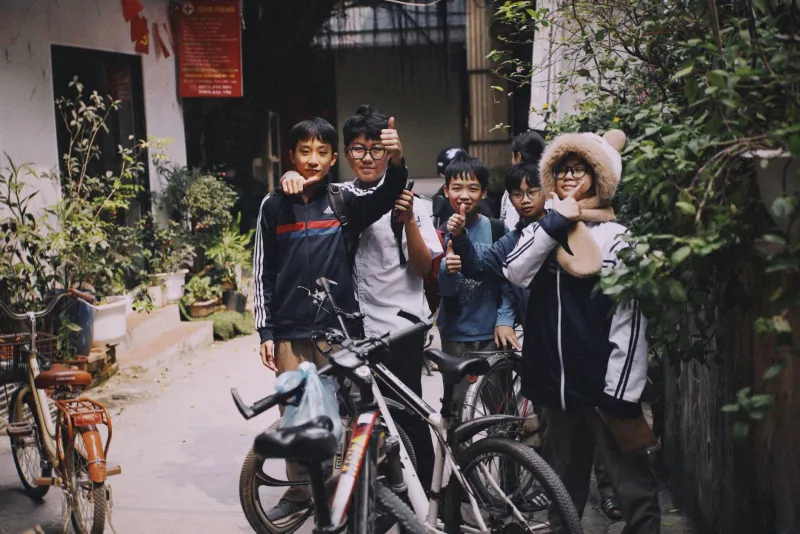
Somewhere between June and August of 1979, millions of American teenagers did something that would be considered practically illegal by today's parenting standards. They left the house in the morning, hopped on a bicycle or climbed into a friend's car, and simply disappeared until dinner.
No texts. No check-ins. No location pins dropped on a family group chat. No Instagram Stories to prove they were at the lake and not face-down in a ditch. Just gone — fully, completely, gloriously gone — until the streetlights came on or a parent hollered from the front porch.
That was the summer of 1979. And nobody thought twice about it.
The Invisible Summer
We've spent a lot of time at 79 Winn celebrating what made that year extraordinary — the music, the movies, the fashion, the cultural chaos. But there's one thing about 1979 that almost never gets talked about, maybe because it's defined by absence rather than presence: it was arguably the last great undocumented summer in American history.
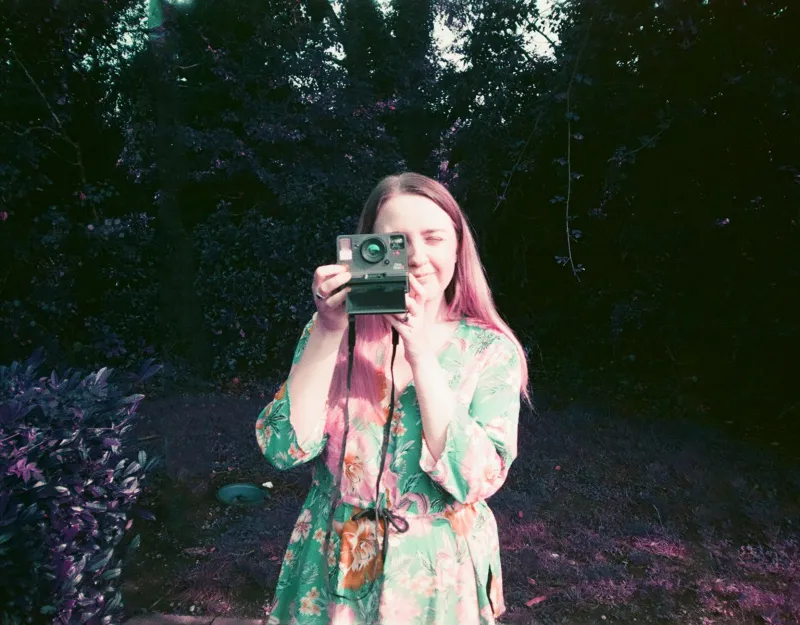
Think about what that actually means. No photographs unless someone lugged around a film camera and paid to have a roll developed two weeks later. No video unless your family owned one of those enormous, shoulder-destroying camcorders that cost more than a used car. No record of where you were, who you kissed, what you said, or what stupid thing you did behind the bleachers at the community pool.
The slate wiped clean every single day.
Karen Albright, now 58 and living outside of Columbus, Ohio, remembers those summers with a mix of nostalgia and mild disbelief at her own past. "We'd ride our bikes to the reservoir — which, looking back, we absolutely were not supposed to do — and spend the whole day out there," she says. "My mom had no idea where I was. I had no idea where my brother was. We'd all just show up at dinner and that was the check-in. That was the whole system."
The system, such as it was, ran entirely on trust, neighborhood geography, and the vague assumption that someone's older sibling was probably around.
What Documentation Actually Costs You
Here's the uncomfortable flip side of that freedom: some of it was genuinely dangerous. Not every kid who vanished on their bike came home with just a sunburn and a good story. The 1970s were statistically a rougher era for child safety, and the lack of documentation cut both ways — it meant freedom from surveillance, yes, but it also meant genuine vulnerability.
But that's not the part Gen Z is romanticizing on TikTok. What they're mourning — and they are absolutely mourning it, in that performative-but-also-sincere way that platform does so well — is the psychological experience of a summer that left no evidence behind.
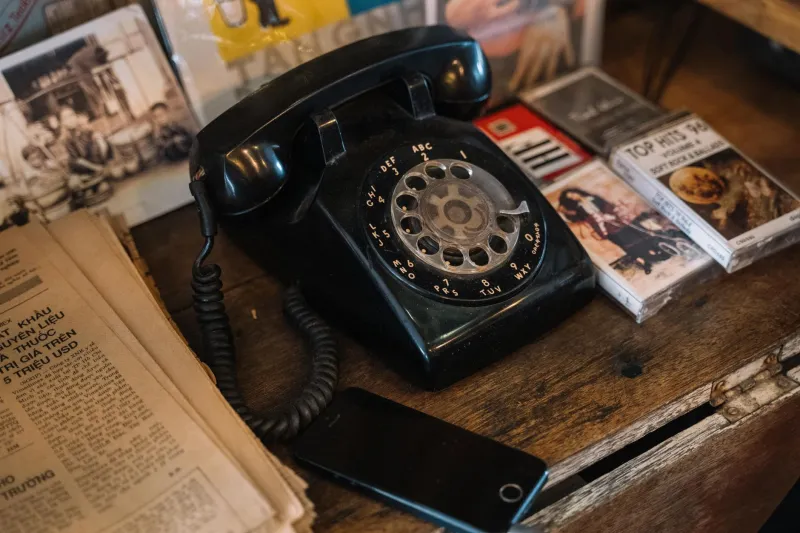
Scroll through #analogsummer or #90skid on any given Tuesday and you'll find teenagers born after 2000 waxing poetic about an era they never lived through. They're posting aesthetic photos of rotary phones and cassette tapes and talking about wanting to "disappear for a day" as if it's some kind of extreme sport. In a way, for them, it genuinely is. The idea of spending eight hours without generating a single data point — no location metadata, no screen time logged, no photos uploaded — is so foreign to their daily experience that it sounds like science fiction.
"I tried it once," admits a 19-year-old in a widely shared TikTok that racked up nearly 400,000 views last year. "Left my phone at home, went out for the day. My mom called my friend's mom within two hours. My friend's mom texted my friend. My friend texted me on her phone. It lasted maybe 90 minutes."
The infrastructure for disappearing simply doesn't exist anymore. And maybe more importantly — neither does the cultural permission.
The Summer That Existed Between the Frames
What 1979 teens actually had was something photographers talk about as negative space — the meaningful emptiness between the documented moments. Because when you can't photograph everything, you have to be in everything instead.
Mike Terrano, 61, a high school music teacher in suburban Phoenix, puts it plainly: "You weren't performing your summer for anyone. There was no audience. You weren't thinking about the caption while you were living the moment. You were just... there. Fully there. Which sounds simple but I think it was actually kind of profound."
That's the part the TikTok nostalgia gets right, even if the kids making those videos can't fully access it. There's a real difference between a memory that exists in your body and a memory that exists on a server. The 1979 summer lived entirely in the first category. Every inside joke, every dumb dare, every slow dance at a backyard party — it belonged only to the people who were there. It couldn't be screenshot. It couldn't go viral. It couldn't be used against you in a college admissions process five years later.
It just was, and then it became a story you told, and then it became the thing you think about when a certain song comes on the radio.
The Ghost Summer Goes Mainstream
The irony of Gen Z romanticizing the undocumented summer is that their romanticization is itself documentation. Every TikTok about wishing you could disappear for a day becomes a data point. Every aesthetic post about analog freedom gets an algorithm boost and a sponsored ad inserted three seconds in.
You literally cannot escape the archive anymore. Even your nostalgia for escaping it gets catalogued.
But maybe that's exactly why 1979 feels so magnetic right now. It's not just a year — it's a before. Before the document became the point. Before the photo was more real than the moment. Before you had to prove, to a thousand strangers and an advertising algorithm, that your summer actually happened.
In 1979, you could have the best summer of your life and leave absolutely no trace. No proof. No receipts. Just the tan line, the memories, and maybe a mix tape somebody made you that you'd play until the ribbon wore thin.
Honestly? That sounds pretty incredible from here.