Lava Lamps, Shag Carpet, and Poster Walls: Why Gen Z Is Obsessed With the 1979 Bedroom
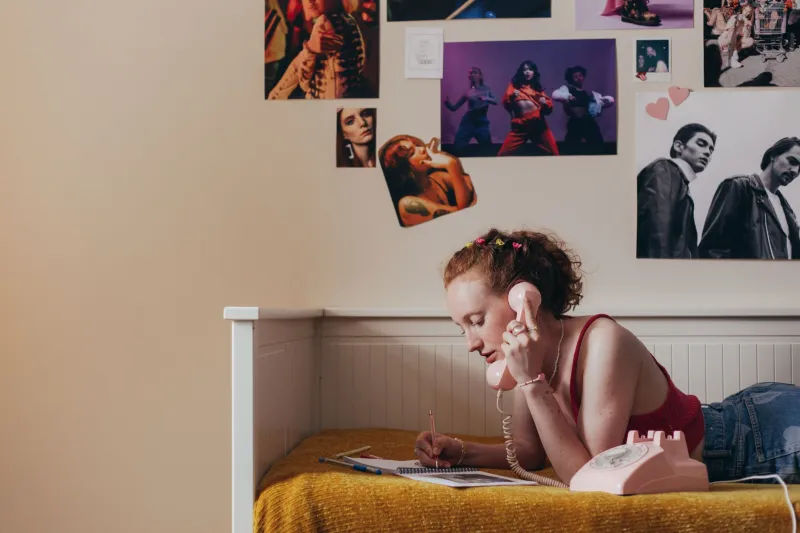
Scroll through enough TikTok or Pinterest boards right now and you'll notice something that would make your parents do a double take. Bedrooms are starting to look suspiciously familiar — not in a trendy, minimalist Scandinavian way, but in a warm, slightly chaotic, deeply cozy way that screams a very specific moment in American domestic history. We're talking lava lamps glowing amber in the corner. Shag rugs in harvest gold or burnt sienna. Wood-paneled walls dressed up with thumbtacked posters of Farrah Fawcett, KISS, and Star Wars. If you didn't know better, you'd swear someone had set a time machine to 1979 and just... left it running.
The thing is, nobody is doing this by accident.
The Room That Started It All
There's a reason the late-seventies bedroom occupies such a specific corner of the American imagination. By 1979, the bedroom had evolved into something genuinely personal — a teenager's first real canvas for self-expression. The walls weren't just walls. They were manifestos. You could tell everything about a kid from what was pinned above their waterbed: which band they worshipped, which movie had wrecked them, whether they were more of a Rocky person or a Close Encounters person.
The physical objects in those rooms had texture and weight that today's digital life can't quite replicate. A lava lamp wasn't just decoration — it was a mood setter, a conversation piece, a slow-motion meditation in a pre-smartphone world. Shag carpeting was tactile in a way that cold hardwood simply isn't. Even the smell of those rooms — a particular combination of vinyl record sleeves, incense, and whatever aerosol hairspray was popular that week — apparently lives rent-free in the olfactory memory of an entire generation.
But here's the wild part: most of the Gen Z kids recreating these spaces weren't alive in 1979. So what exactly is going on?
Nostalgia for a Time You Never Had
Interior designers have a term for it — vicarious nostalgia, sometimes called secondhand nostalgia — and it's been quietly driving aesthetic trends for years. The idea is straightforward: you don't have to have lived through an era to feel a powerful emotional pull toward it. You just need enough cultural exposure through old movies, your parents' stories, vintage thrift finds, or a well-curated Instagram feed.
For Gen Z, 1979 carries a very specific emotional signature. It sits at the tail end of a decade defined by cultural upheaval, but the bedrooms of that year radiate something that feels almost impossibly appealing right now: analog warmth. There were no notifications. No blue light. No doom-scrolling. The room was the whole world, and the world was manageable.
Social media creators who specialize in what's being loosely called "retro room" content consistently report the same thing in their comment sections: viewers aren't just admiring the aesthetics, they're expressing genuine longing. Phrases like "this feels safe" and "I don't know why but I want to live here" pop up constantly. For a generation that came of age during a global pandemic, economic uncertainty, and the relentless churn of digital life, a bedroom that looks like 1979 isn't just cute — it's practically therapeutic.
The Design Elements That Are Everywhere Right Now
So what exactly are people actually buying and building? A few recurring elements keep showing up across the retro room revival:
Lava lamps are the undisputed icon of the movement. The original Lava brand never fully went away, but sales have reportedly surged among younger buyers who are using them as ambient lighting rather than novelty items. The slow, hypnotic movement of the wax is almost aggressively anti-algorithm — you can't speed it up, you can't skip ahead, you just have to watch it.
Wood paneling — once the punchline of every basement renovation joke — has undergone a full rehabilitation. Where homeowners in the nineties and early aughts were ripping it out as fast as they could, younger renters and homeowners are now actively seeking it out, or recreating the look with peel-and-stick panels and clever paint techniques. There's a warmth to it that drywall simply can't compete with.
Poster walls are perhaps the most accessible entry point. Platforms like Redbubble and Displate have seen massive demand for vintage-style prints — original 1979 movie posters, band promo shots, and retro sci-fi imagery. The key, creators say, is the layering: overlapping sizes, mismatched frames, thumbtacks alongside pushpins. It should look like it grew organically over years, not like it was styled in an afternoon.
Record players and vinyl are practically a given at this point, but the specific styling matters. It's not about a sleek modern turntable on a floating shelf — it's about a slightly battered Audio-Technica on a wooden crate surrounded by actual album sleeves, propped up and displayed like the art they genuinely are.
Shag rugs and textured textiles round out the look. Etsy is full of vintage shag finds, and major retailers like Urban Outfitters and even Target have started stocking retro-pile rugs that are clearly chasing this exact trend.
What Interior Designers Are Saying
Professionals in the design world are paying close attention. The consensus seems to be that this isn't a fleeting microtrend — it's tapping into something more durable about how we relate to comfort and identity through physical space.
The interesting design insight here is that 1979 bedrooms were maximalist without being overwhelming. They had rules, even if those rules felt rebellious — everything in the room meant something to the person who lived there. That's a very different kind of clutter than what we associate with hoarding or mess. It's intentional accumulation, and that's actually quite sophisticated from a design standpoint.
There's also a sustainability angle that resonates with younger buyers. Thrifting a genuine 1970s lava lamp or hunting down an original Star Wars poster at an estate sale feels like a more ethical consumption choice than buying fast furniture. The vintage bedroom aesthetic and the secondhand economy are feeding each other in ways that make the trend feel genuinely sticky.
The Room as Time Capsule
Maybe the deepest thing about the 1979 bedroom revival is what it says about our current moment. When the outside world feels chaotic and accelerated, people have historically retreated into curated personal spaces — rooms that reflect who they want to be, or who they wish they could have been. The bedroom has always been the one space you actually control.
In 1979, a kid could close their door, drop a needle on Breakfast in America or Off the Wall, watch their lava lamp do its thing, and feel genuinely insulated from everything. That's not a bad fantasy for 2024. That's practically a wellness strategy.
So if you've been eyeing that shag rug at the thrift store, or wondering whether a lava lamp would look ridiculous in your apartment — maybe it won't. Maybe it'll look exactly right. The grooviest year in pop culture apparently still has a few decorating tips left to share.