Tape It or Lose It: How the Cassette Mixtape Invented the Way We Share Music Forever
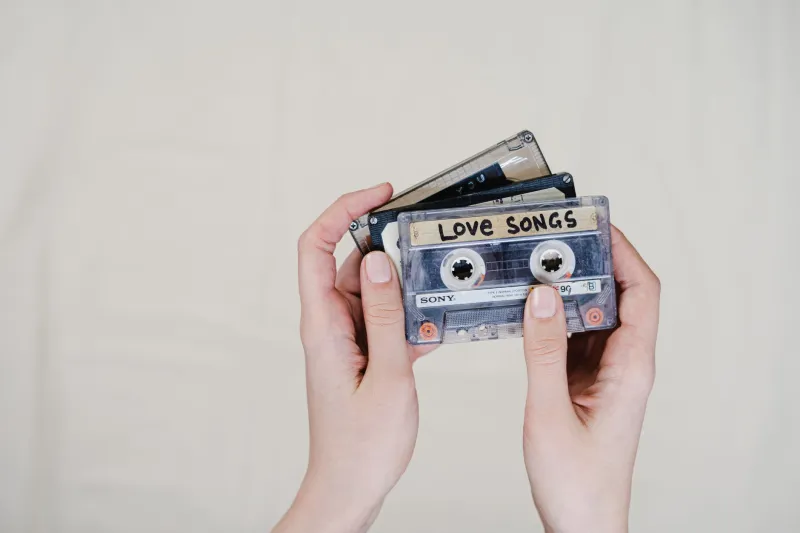
There's a very specific kind of anxiety that doesn't exist anymore, and honestly, we kind of miss it. It's the anxiety of sitting cross-legged on your bedroom floor in 1979, one hand hovering over the play button on your turntable, the other ready to hit record on your cassette deck, praying you'd timed the gap between songs just right. Too slow and you'd catch the DJ's voice bleeding in from the radio. Too fast and you'd clip the opening note of the next track. No undo button. No drag-and-drop. Just nerve, timing, and taste.
That was the mixtape. And it changed everything.
The Blank Tape Was a Blank Canvas
By 1979, cassette technology had matured just enough to become genuinely useful for the average American music fan. Blank tapes from brands like Maxell, TDK, and BASF were widely available at department stores and record shops, and home cassette decks had dropped in price enough that a lot of households had at least one. The Sony Walkman had just landed that summer, making the cassette not just a home medium but a portable one — suddenly what you put on a tape wasn't just background music for your bedroom, it was the soundtrack to your entire day.
That shift mattered. When music became mobile, curation became personal. You couldn't carry your whole record collection with you. You had to choose. And choosing meant something.
The blank C-60 or C-90 tape sitting in your hand was essentially a question: What do you want to hear, and in what order? For a generation that had grown up with radio DJs making those decisions for them, the power was intoxicating.
Sequencing Was Everything
Anyone who made a serious mixtape in 1979 will tell you that the track order wasn't random — it was engineered. You opened strong, something with energy that announced your intentions. Then you let it breathe, maybe something a little slower or more unexpected. Side A had to end on a note that made the listener flip the tape immediately. Side B was where you got weird, got vulnerable, or went for the gut punch.
This wasn't just instinct. It was a kind of emotional architecture. You were building an experience with a beginning, a middle, and an end. You were controlling the emotional temperature of someone else's afternoon.
Sound familiar? It should. That's exactly what a well-constructed Spotify playlist does today. The logic of the mixtape — hook them early, reward patience, close with something that lingers — is baked into the way streaming platforms think about user-generated content. Spotify even has algorithmic tools that analyze the "energy curve" of a playlist. The kids in 1979 were doing that by feel, with a pencil and a piece of paper tracking which songs they'd already used.
It Was Never Just About the Music
Here's what the streaming era gets almost right but not completely: the mixtape was always partly about the person making it. Giving someone a mixtape in 1979 was an act of radical vulnerability. You were handing them a physical object that said, this is how I hear the world, and I want you to hear it this way too.
The handwritten tracklist on the insert card — done in your best or most deliberately casual handwriting, depending on the vibe — was as important as the songs themselves. People agonized over whether to include a title. Whether to sign it. Whether the title of the tape itself said too much. A mixtape given to a crush was essentially a confession delivered at 3.75 inches per second.
Modern playlist sharing on Spotify or Apple Music carries a ghost of that intimacy. When someone sends you a playlist titled "Sunday Drives" or "Songs for You," there's still a little flutter of recognition — someone made this for me. But the friction is gone. It took about eleven seconds to make that playlist. The 1979 version took an entire Saturday afternoon, and the recipient knew it.
That investment of time was the message.
Radio Was the Source, But You Were the Editor
One of the underappreciated aspects of 1979 mixtape culture is how it turned passive listeners into active curators. The dominant music delivery system was still radio — you listened to what they played, when they played it. But with a blank tape and a cassette deck, you could record off the radio, off your records, even off a friend's tape, and reassemble those pieces into something that felt like yours.
This is essentially what algorithmic music discovery tries to replicate today. Spotify's Discover Weekly, Apple Music's personalized stations — they're all trying to feel like a friend who gets your taste and made you something special. The difference is that in 1979, that friend was a real person who actually knew you. The algorithm is flattering, but it doesn't know that you need to hear "Don't Stop Me Now" after a bad week because that's what your older sister put on the tape she made you when you started high school.
The Ritual That Never Really Ended
What's remarkable is how completely the mixtape's DNA survived the format's death. CDs brought the burned mix disc in the '90s. MP3s brought the shared playlist file in the early 2000s. Streaming brought the collaborative playlist and the shared queue. Each generation reinvented the same ritual with whatever technology was available — because the impulse behind it never went away.
We still want to say listen to this to the people we care about. We still want to be understood through our taste. We still believe, somewhere deep down, that the right song at the right moment can communicate something that words can't quite reach.
In 1979, you expressed that with a Sharpie, a blank Maxell tape, and about ninety minutes of careful, deliberate love. The format changed. The feeling didn't.
What We Actually Lost
Let's be honest about one thing: something did get lost in the translation. The effort is gone, and effort was part of the point. When a mixtape took you four hours to make — hunting through your record collection, timing the recordings, writing out the card — the recipient felt that. It was weighted. It had gravity.
A playlist you built in ten minutes while watching TV doesn't carry the same charge, no matter how good the songs are. We gained convenience and infinite storage and the ability to share with anyone anywhere. We lost the feeling of holding something someone made specifically, painstakingly, for you.
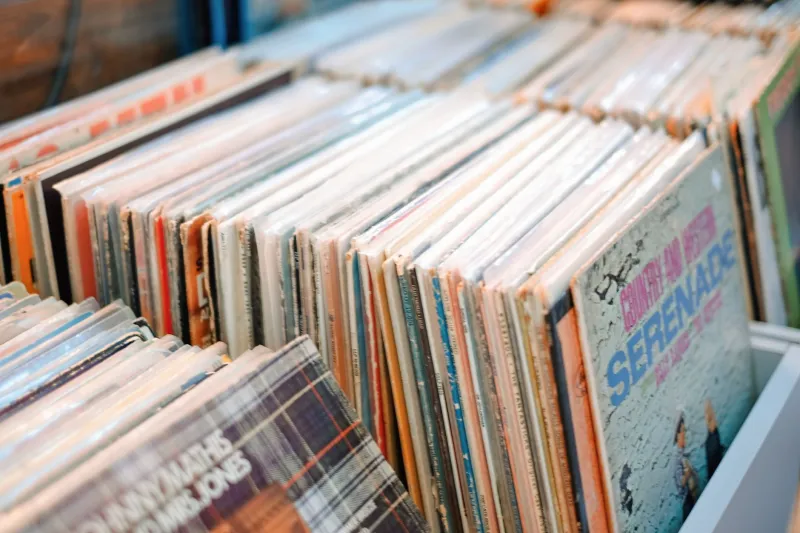
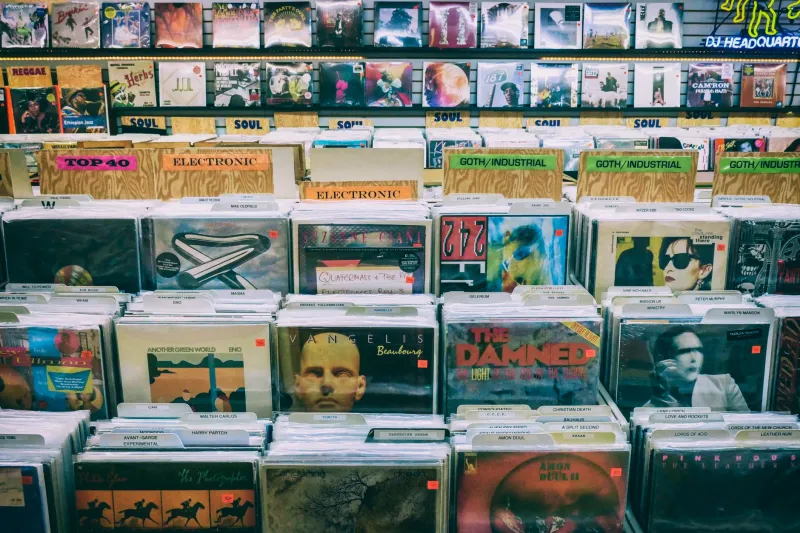
Maybe that's why vinyl is back. Maybe that's why people still talk about mixtapes with a kind of reverence that doesn't attach to playlists. There's a reason High Fidelity — the book, the movie, the TV show — keeps getting remade. The mixtape as metaphor still resonates because it captured something true about how music and human connection actually work.
In 1979, a blank tape cost about two dollars. What people put into it was worth a whole lot more than that.