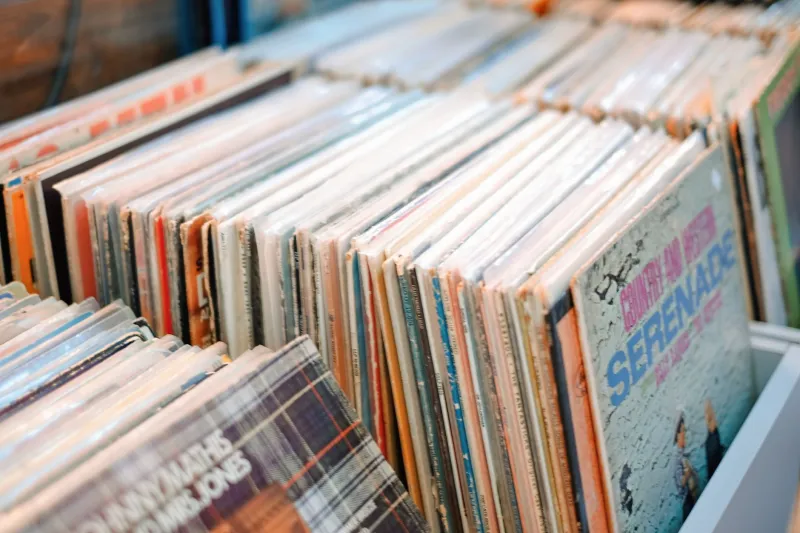
Smash the Record, Stream the Moment: What Disco Demolition Night Tells Us About Cancel Culture and the Algorithm
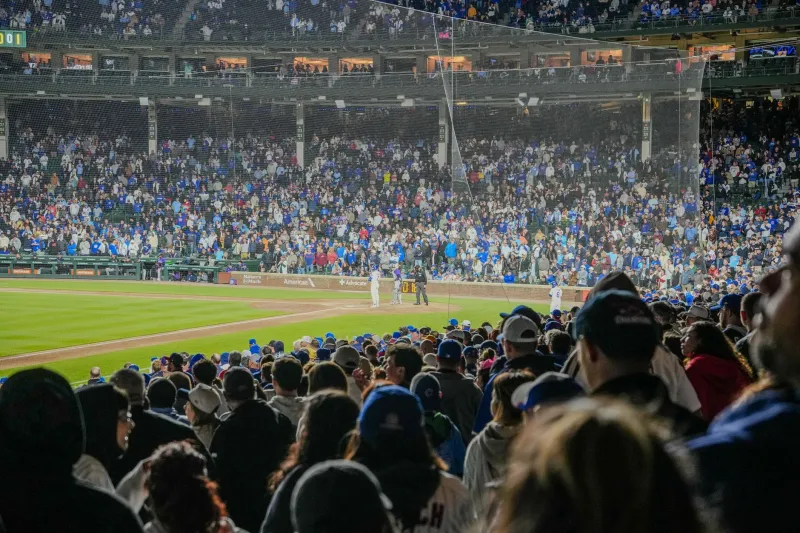
It's the summer of 1979. A baseball doubleheader at Chicago's Comiskey Park turns into something nobody — not the White Sox, not the city, not even the guy who planned it — could have predicted. Steve Dahl, a rock radio DJ with a grudge and a microphone, detonates a crate full of disco records on the outfield grass between games. The crowd goes absolutely feral. Fans rush the field. The second game gets forfeited. And somewhere in the smoke and the noise and the broken vinyl, a blueprint gets written for every internet pile-on, hashtag war, and trend execution that would follow over the next four decades.
We just didn't have the word "algorithm" yet.
The Stunt That Was Never Just a Stunt
Let's be clear about what Disco Demolition Night actually was: it was a promotional event dreamed up by Dahl and White Sox co-owner Mike Veeck to boost attendance at a struggling team's games. Fans got in for 98 cents if they brought a disco record to destroy. Simple enough, right?
Except it wasn't. Because Dahl had spent months on Chicago's WLUP radio station building an anti-disco movement with almost religious fervor. He had his own army — the Insane Coho Lips — and a recurring bit where he ritually obliterated disco songs on air. He wasn't just goofing around. He was manufacturing a community identity built entirely around hating something.
That's the part history books tend to skip. The records didn't just get blown up on a Tuesday night. They got blown up after weeks of audience priming, tribal identity-building, and the slow, deliberate transformation of a musical preference into a moral stance. Disco wasn't just bad music to these people. It was the enemy. And the enemy needed to be destroyed publicly, dramatically, and with maximum spectacle.
If that sounds like something you've watched play out on Twitter or TikTok in the last five years, you're not imagining things.
Radio Was the Algorithm
Here's what's wild when you actually sit with it: Steve Dahl was doing in 1979 exactly what recommendation engines do now. He was feeding his audience a steady diet of content that confirmed what they already believed, amplified their resentment, and made them feel like part of something bigger than themselves. WLUP wasn't just a radio station. It was a radicalization pipeline for people who thought their cultural identity was under siege.
Sound dramatic? Maybe. But the parallels are genuinely hard to ignore. Dahl had a loyal audience that showed up every day for the next hit of anti-disco content. The more outrageous the bit, the more people tuned in. The more people tuned in, the more extreme the bits got. There was no "For You" page in 1979, but there was a morning drive slot, and it functioned the same way: rewarding engagement, punishing nuance, and turning passive listeners into active participants in a culture war they'd been slowly recruited into.
The night of the event, that audience showed up. Fifty thousand of them. And when the records blew up, the lid came off entirely.
The Thing Nobody Wanted to Admit
Here's the uncomfortable truth that historians of pop culture keep dancing around: a lot of the people who showed up to destroy disco records had almost certainly been listening to disco records. The genre was inescapable in 1979. It was on the radio, in the movies, at every party, in every department store. You couldn't opt out.
And yet the anti-disco movement drew its power specifically from the performance of rejection. It wasn't enough to privately prefer rock. You had to publicly hate disco. You had to burn it, smash it, blow it up on a baseball field in front of 50,000 witnesses.
That's not a music preference. That's a social ritual. And it maps almost perfectly onto the way internet subcultures perform their own taste hierarchies today. The stan who tweets 47 times about how much they hate a particular artist. The subreddit dedicated to a show that exists mostly to catalog everything wrong with that show. The TikTok comment sections where people perform elaborate disgust at trends they've clearly been watching closely enough to have opinions about.
We don't destroy records anymore. We make reaction content.
The Backlash to the Backlash
One of the most 2024 things about Disco Demolition Night is what happened after it. Almost immediately, the event got reframed. Critics pointed out — correctly — that disco was largely created by Black, Latino, and gay artists and communities, and that the fury directed at the genre had a target that wasn't really the music. The optics were ugly. The demographics of the crowd at Comiskey Park were not subtle.
Dahl has spent years insisting the whole thing was about corporate overproduction and radio homogenization, not identity politics. Maybe that's true for him personally. But movements aren't just about their architects. They're about everyone who shows up, and why. And the anti-disco movement attracted a lot of people who weren't primarily upset about the quality of the production.
The speed with which that counter-narrative emerged — and the defensiveness with which the original participants responded to it — is almost identical to the lifecycle of a modern internet controversy. Stunt goes viral. Crowd participates enthusiastically. Someone points out the subtext. Original participants insist the subtext was never the point. The argument about the argument becomes bigger than the original argument. Nothing gets resolved. Everyone logs off and does it again next week.
What 1979 Left in the Wreckage
Disco didn't actually die that night. That's the other thing worth remembering. The genre evolved, mutated, and became the foundation for house music, dance-pop, and eventually the electronic music that now dominates every festival lineup in the country. The records they blew up in Chicago became the DNA of the music playing at every club, every wedding, every TikTok audio clip that soundtracks someone's morning routine in 2024.
You can't cancel what's already in the culture's bloodstream.
What Disco Demolition Night actually killed was the illusion that destroying a trend makes it go away. All it really does is drive it underground, let it mutate in the dark, and send it back transformed. The same thing happens every time the internet decides something is over. The thing isn't over. It just stops being visible to the people who declared it dead.
Steve Dahl lit a fuse at Comiskey Park 45 years ago, and the explosion that followed wasn't really about disco at all. It was about the intoxicating power of collective rejection — the way it feels to be part of a crowd that's all pointed in the same direction, all screaming the same thing, all convinced that this moment of destruction means something.
We've been chasing that feeling ever since. We just do it with our thumbs now.