Flip It Over: The Hidden Tracks and Deep Cuts of 1979 That Serious Listeners Never Forgot
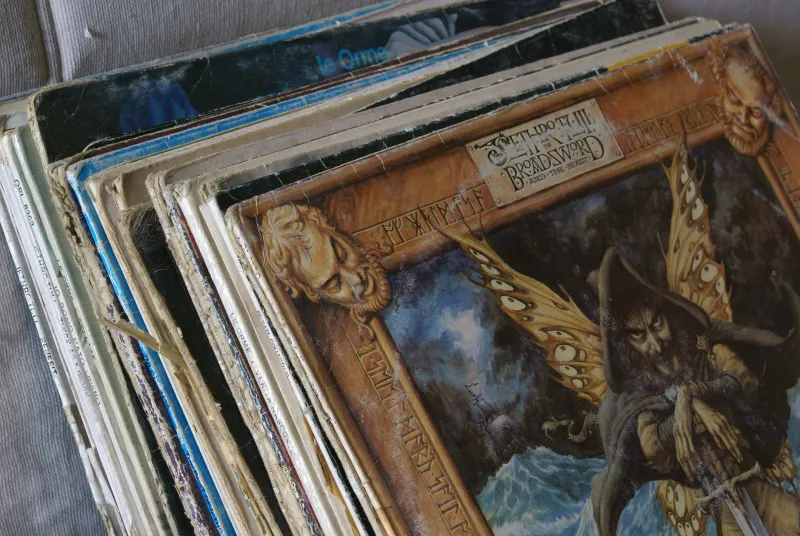
There's a certain kind of music fan — you probably know one, or maybe you are one — who never trusted the radio to tell them what was good. In 1979, that person had a ritual. They'd get home from the record store, slide the vinyl out of the sleeve with two careful hands, drop the needle, and listen to the whole side. Both sides. Every track. No skipping.
Those people found something the casual listener never did: the hidden architecture of an album. Because in 1979, the real music — the stuff that separated a great record from a merely popular one — was often buried three or four tracks deep on Side B, tucked between the single everyone already knew and the closer that felt like an afterthought. The deep cuts were where artists actually lived.
We've spent a lot of time on this site celebrating the blockbusters of '79. But today we're flipping the record over.
Why 1979 Was the Golden Age of the Album Track
By 1979, the album format had matured into something genuinely sophisticated. The mid-seventies had proven that listeners would commit to a full LP — Fleetwood Mac's Rumours, Springsteen's Born to Run, Stevie Wonder's Songs in the Key of Life — and artists had learned to use every inch of that space. You didn't just fill out an album with filler anymore. Or at least, the good ones didn't.
At the same time, radio was tightening up. Program directors were getting more clinical about what got airplay, leaning hard into the three-minute pop structure and leaving longer, stranger, more adventurous tracks out in the cold. That tension — between what radio would play and what artists actually wanted to make — created a fascinating gap, and 1979's best albums lived inside it.
The fans who dug into that gap got rewarded. Richly.
The Tracks That Deserved More
Take the Knack. My Sharona was inescapable in the summer of '79 — one of those songs that seemed to leak out of every car window and convenience store speaker simultaneously. But Get the Knack, the album it came from, had a nasty little track called Frustrated that captured the same coiled, anxious energy without any of the commercial polish. It sounded like a band playing in a room that was slightly too small, and it was better for it. Nobody talked about it. The album buyers knew.
Or consider the Boomtown Rats. I Don't Like Mondays — yes, that one — was the headline. But The Fine Art of Surfacing, the album it anchored, contained Someone's Looking at You and a handful of other tracks where Bob Geldof's writing got genuinely weird and specific in ways that the single never did. The B-tier Rats material from that era rewards a listen in 2024 more than most people would expect.
Then there's the deep catalog question that doesn't get asked enough: what was happening on the B-sides of the 45s that never made it onto the main album? In 1979, record labels still used B-sides as a dumping ground for experiments — tracks too odd for the album, too long for radio, too personal for the mainstream. Some of those tracks circulated on import copies, passed hand to hand at college radio stations and indie record shops, building cult followings that had nothing to do with chart position.
The Listener as Detective
There's something worth naming here about the experience of discovery in 1979 versus today. When you're scrolling through a streaming service, the algorithm is constantly suggesting what to listen to next. It's helpful, sure, but it removes the friction — and the friction was the point. Finding a great deep cut in 1979 required patience, money, and a willingness to be wrong. You bought the album. You sat with it. You gave it three or four plays before you made up your mind.
That process built a different kind of relationship with music. When you finally heard something extraordinary on track six of a B-side-heavy record, it felt like yours in a way that a curated playlist recommendation never quite does. You earned it. Nobody served it to you.
This is exactly why vinyl culture has made such a ferocious comeback among younger listeners, and why the 1979 catalog specifically has become something of a hunting ground for collectors. The records from that year are dense with material that streaming services have never properly surfaced. An algorithm optimizes for engagement; it doesn't know what to do with a seven-minute album track that takes two full listens to open up.
What the Deep Cuts Tell Us About the Artists
If you want to understand what an artist was actually thinking in 1979, skip the single. Go to track four, side two. That's where the masks came off.
Donna Summer's Bad Girls album — celebrated primarily for its title track and Hot Stuff — contained Sunset People, a slow, aching piece that sounded almost nothing like anything getting played in the clubs. It suggested an artist who had more range than the disco machine wanted to acknowledge, and it landed with the listeners who were paying close enough attention to notice.
Similarly, the Police — still a relatively young band in 1979, riding the wave of Roxanne and Can't Stand Losing You — were packing their early albums with reggae-inflected experiments and jagged post-punk tracks that didn't fit neatly into either category. The people who dug into those records early had a much clearer picture of where the band was going than anyone relying on radio alone.
The Collector's Advantage
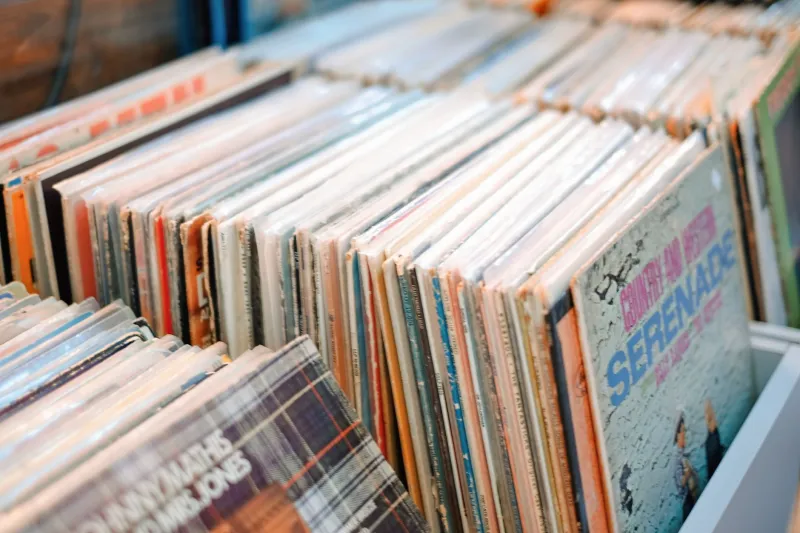
For anyone hunting vinyl today, the deep-cut phenomenon from 1979 creates a genuine collector's advantage. Because so much attention has been paid to the iconic singles and the obvious landmark records, the second-tier albums — the ones that didn't crack the top ten but contained some of the year's most interesting music — are still findable at reasonable prices. Estate sales, thrift stores, used record shops: they're full of 1979 albums that haven't been fully explored.
The advice from anyone who's been doing this for a while is consistent: buy the record, not the reputation. Some of the most memorable listening experiences from 1979 came from artists who weren't household names, on albums that never got a proper critical reassessment, hiding songs that would stop you cold if you gave them half a chance.
The Algorithm Doesn't Know What It's Missing
Here's the thing about the streaming era that 1979's deep cuts make uncomfortably clear: we've traded depth for volume. There's more music available right now than any human being could ever meaningfully consume, and yet a lot of listeners report feeling like something is missing — like the music isn't quite sticking the way it used to.
The collectors and obsessives who went deep on 1979's album tracks weren't just finding good songs. They were building a relationship with music that had texture and resistance and surprise. They were learning to listen in a way that made the eventual payoff — that moment when a buried track finally revealed itself — genuinely meaningful.
Flip the record over. Drop the needle on side two. Give it time.
That's still the move.